For Bakeries, Dessert Brands & Food Developers
Matcha Powder for
Baking & Desserts
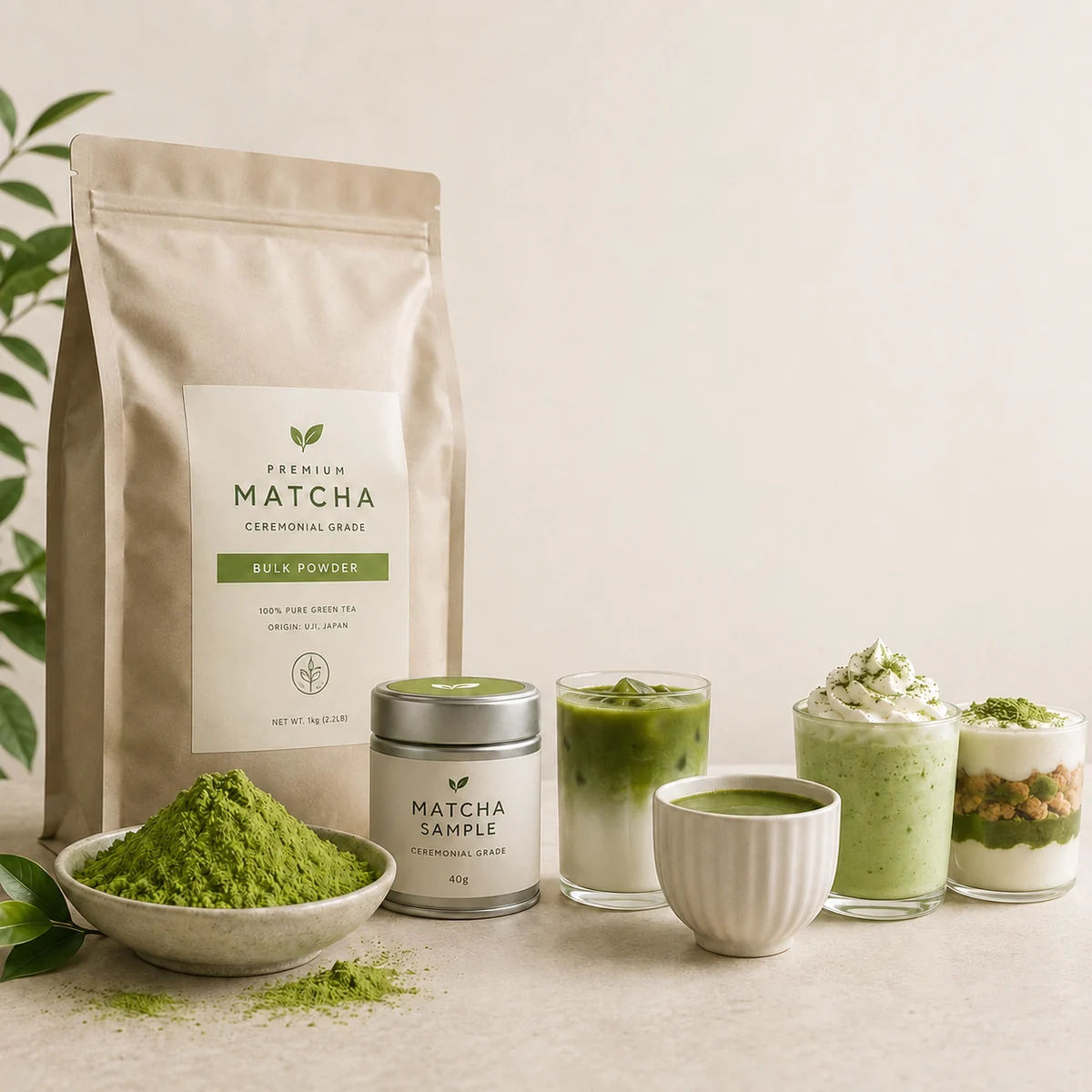
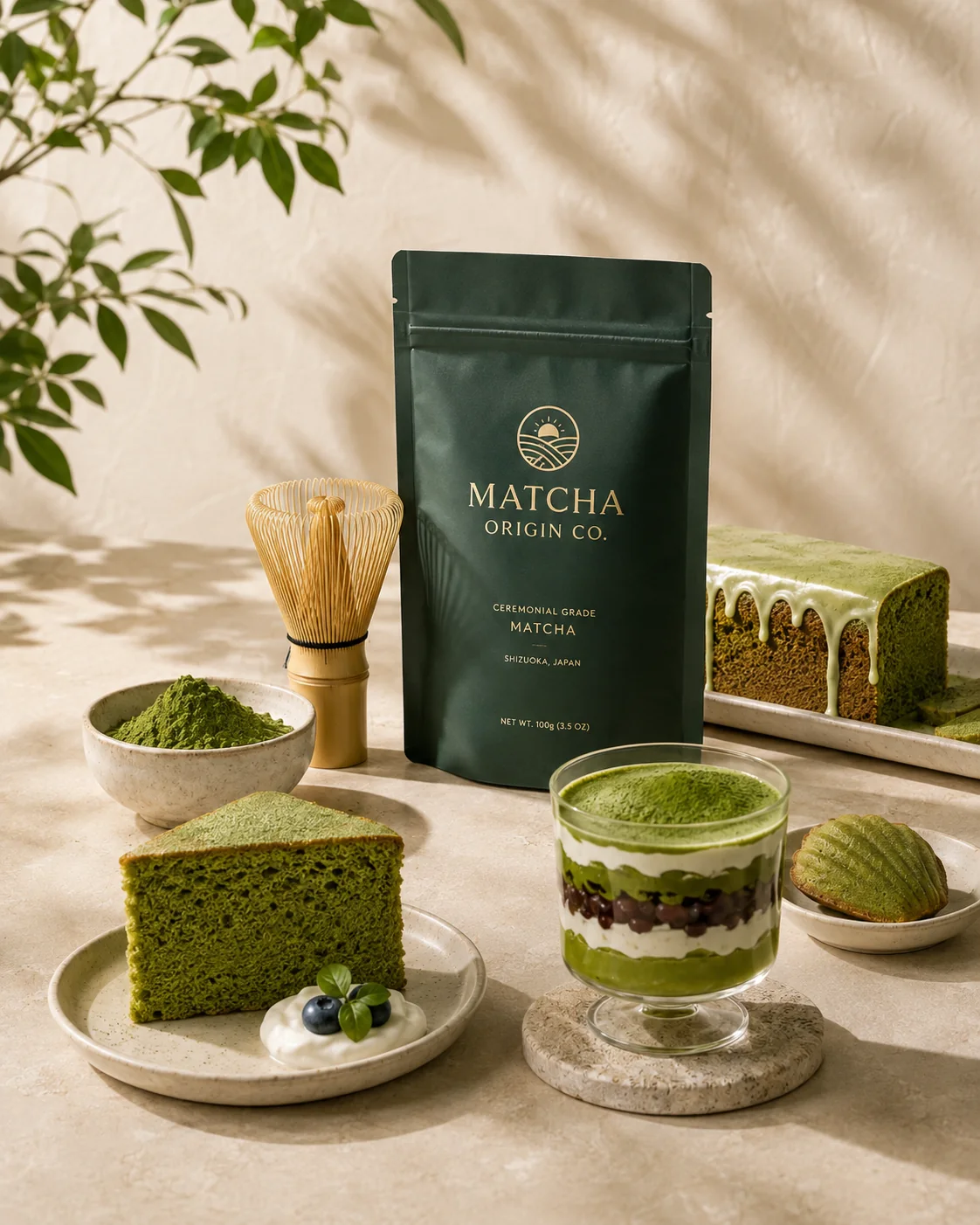
Matcha selected for baking, desserts and commercial food applications. Evaluate color, flavor and finished-product performance in your actual recipe before choosing a profile for larger-scale supply.
Application First
Choose Matcha for Your Baking Application
Choosing matcha powder for baking depends on the recipe type, dosage, sweetness, fat and dairy content, baking temperature, desired finished color, desired matcha intensity and target product positioning. A baking matcha powder should be selected around the commercial application rather than a universal recipe or an internal supplier label.
Look Beyond Dry Powder
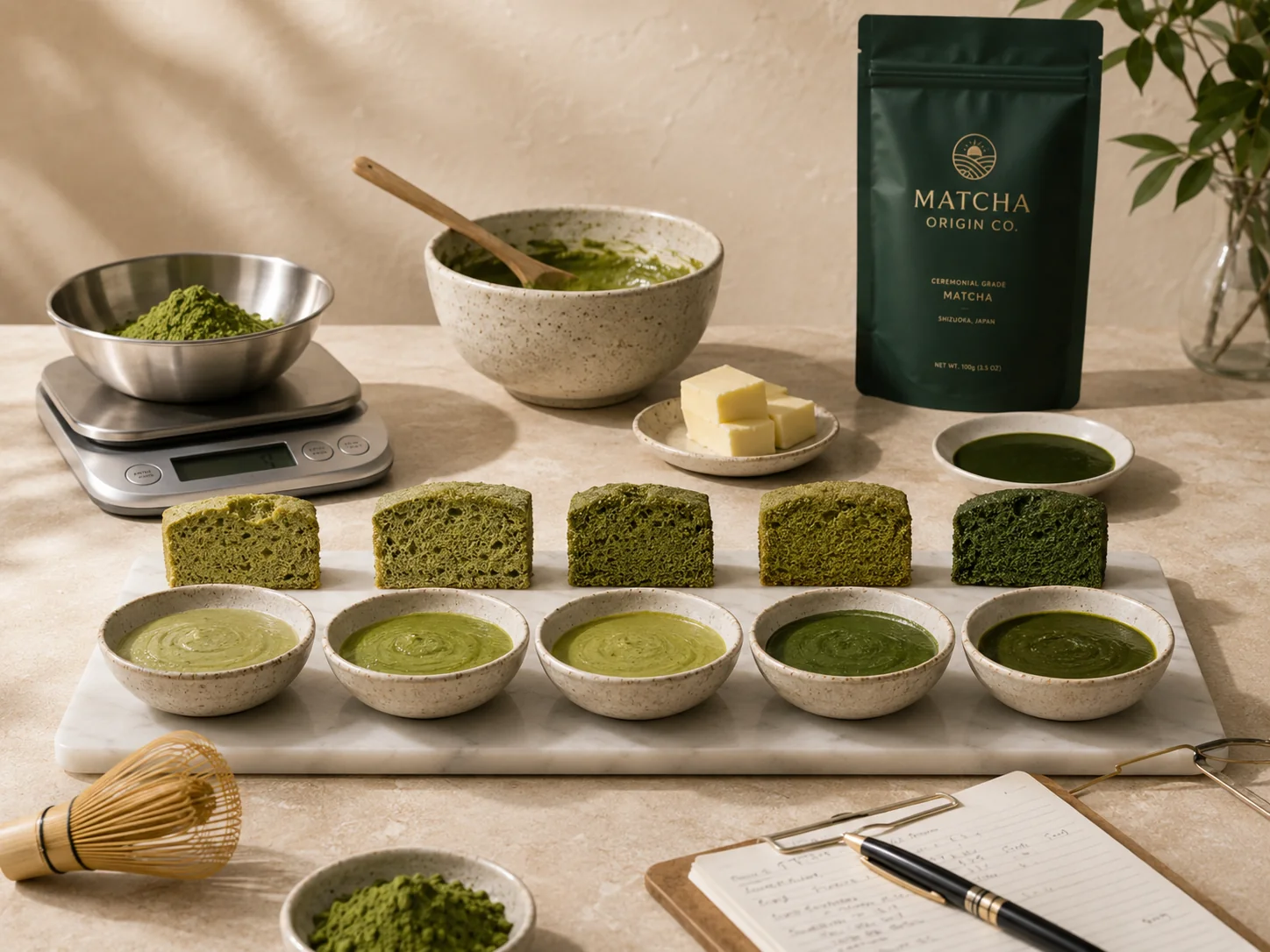
Evaluate Matcha in the Finished Product
Dry powder color alone is not enough to determine commercial fit. Evaluate culinary matcha powder after mixing and after baking, chilling or other relevant processing in the full formulation.
- Color after mixing
- Color after baking or processing
- Flavor intensity
- Bitterness and astringency balance
- Aroma in the finished product
- Compatibility with dairy, flour, sugar and fat
- Cost-in-use per finished unit
Customer-Facing Selection
Culinary Matcha Profiles for Baking & Desserts
Profile names describe intended application direction. Final selection should be based on sample performance in the buyer’s actual formulation and process.
Classic Baking Profile
For cakes, cookies and pastries where matcha must work with flour, sweetness and fat.
Premium Culinary Profile
For finished products seeking a more refined balance of color, aroma and matcha character.
Dessert & Cream Profile
For mousse, frosting, chilled desserts and other applications with dairy or cream components.
Evaluate Before Ordering
Test Before You Scale
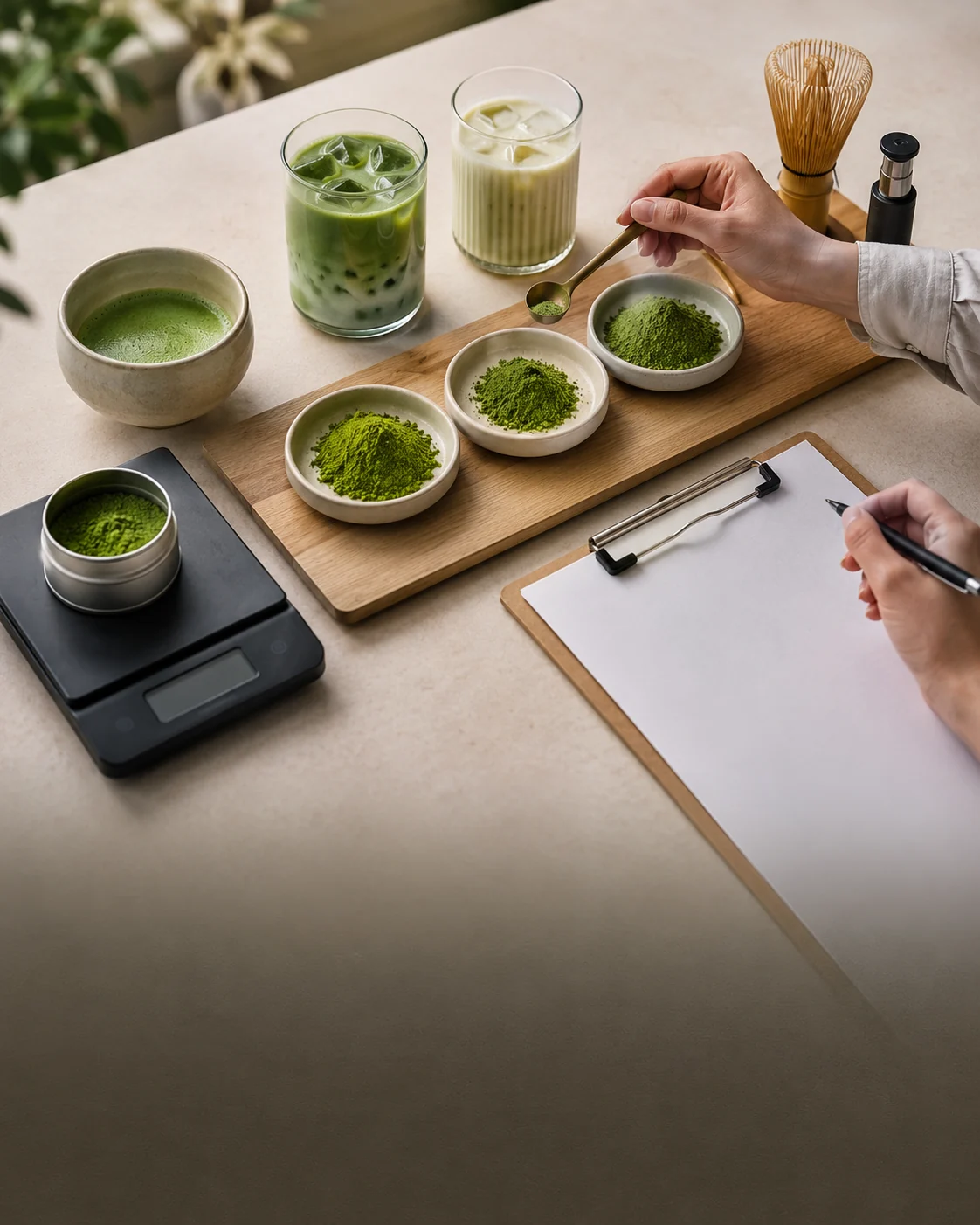
Test matcha for baking in your real recipe before scaling. Compare every candidate under the same conditions so the result reflects the matcha rather than a change in formulation or process.
- Use the same formulation and matcha dosage
- Keep baking temperature and processing time consistent
- Compare the same finished-product format
- Record color, flavor, texture and cost-in-use
Four-Step Evaluation
Compare Samples Under Consistent Conditions
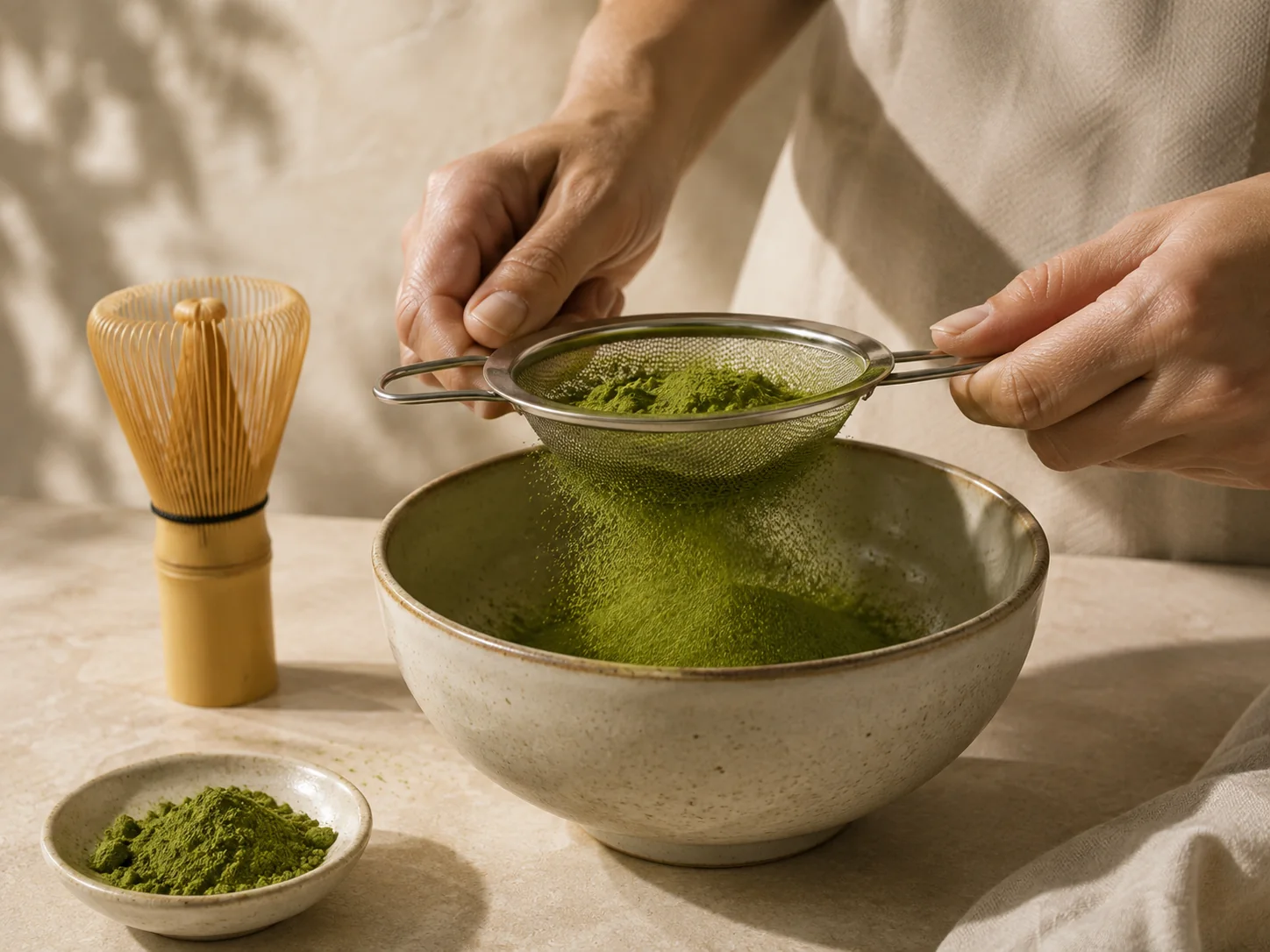
Set the Formula
Fix the formulation, dosage and intended finished-product format.
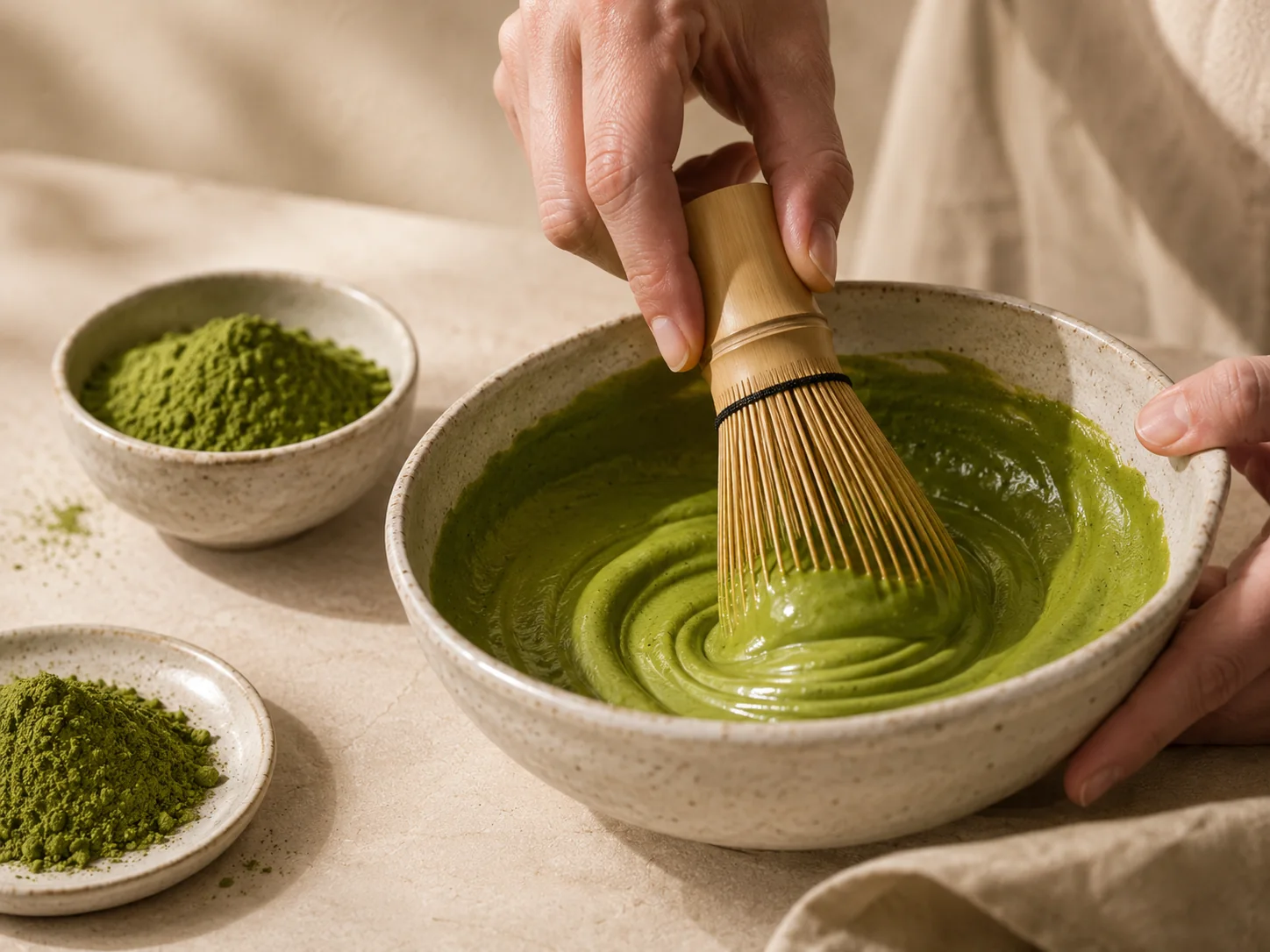
Prepare Consistently
Use the same mixing method and ingredient sequence for every sample.
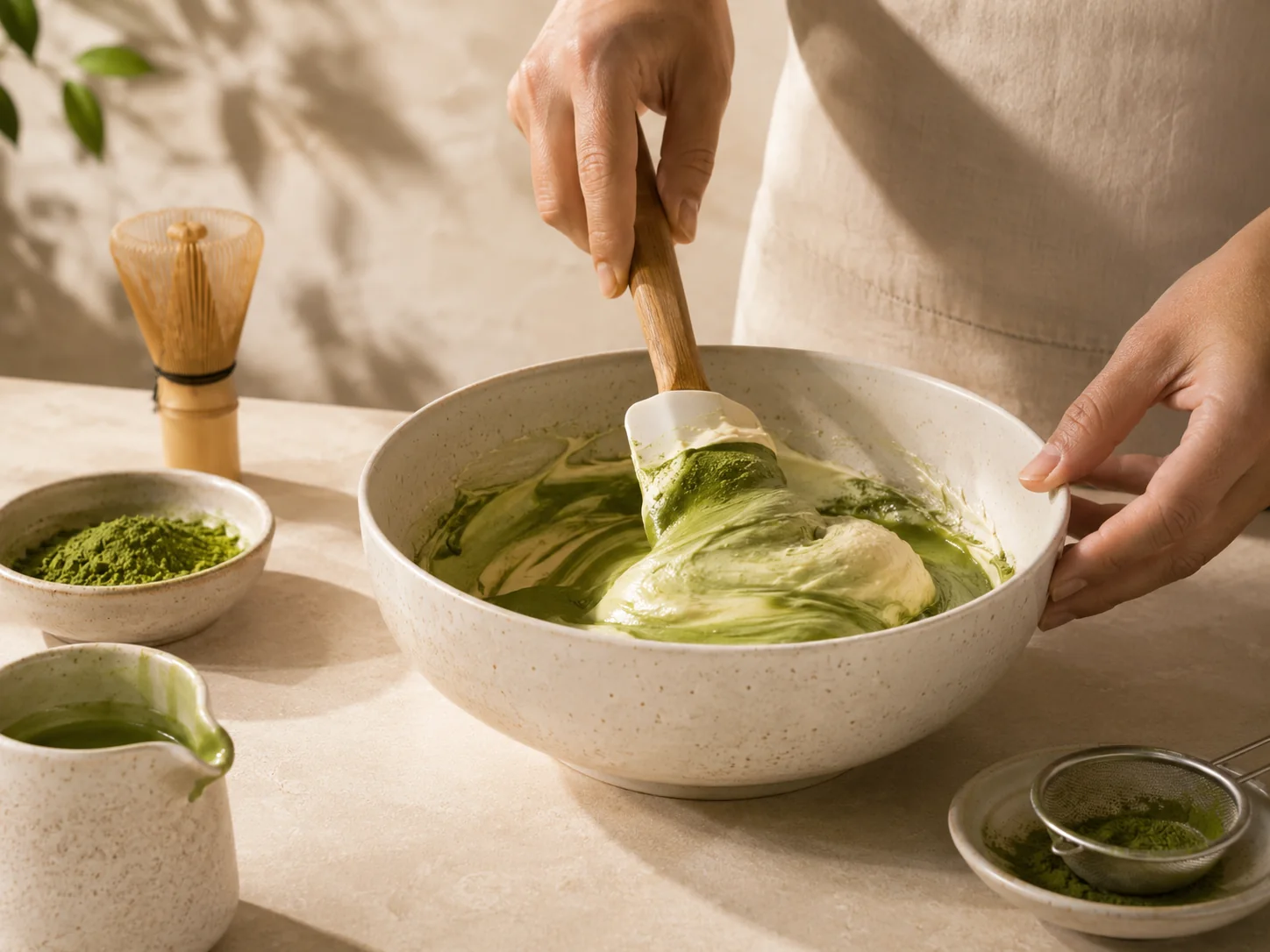
Process the Product
Keep temperature, processing time and batch size consistent.
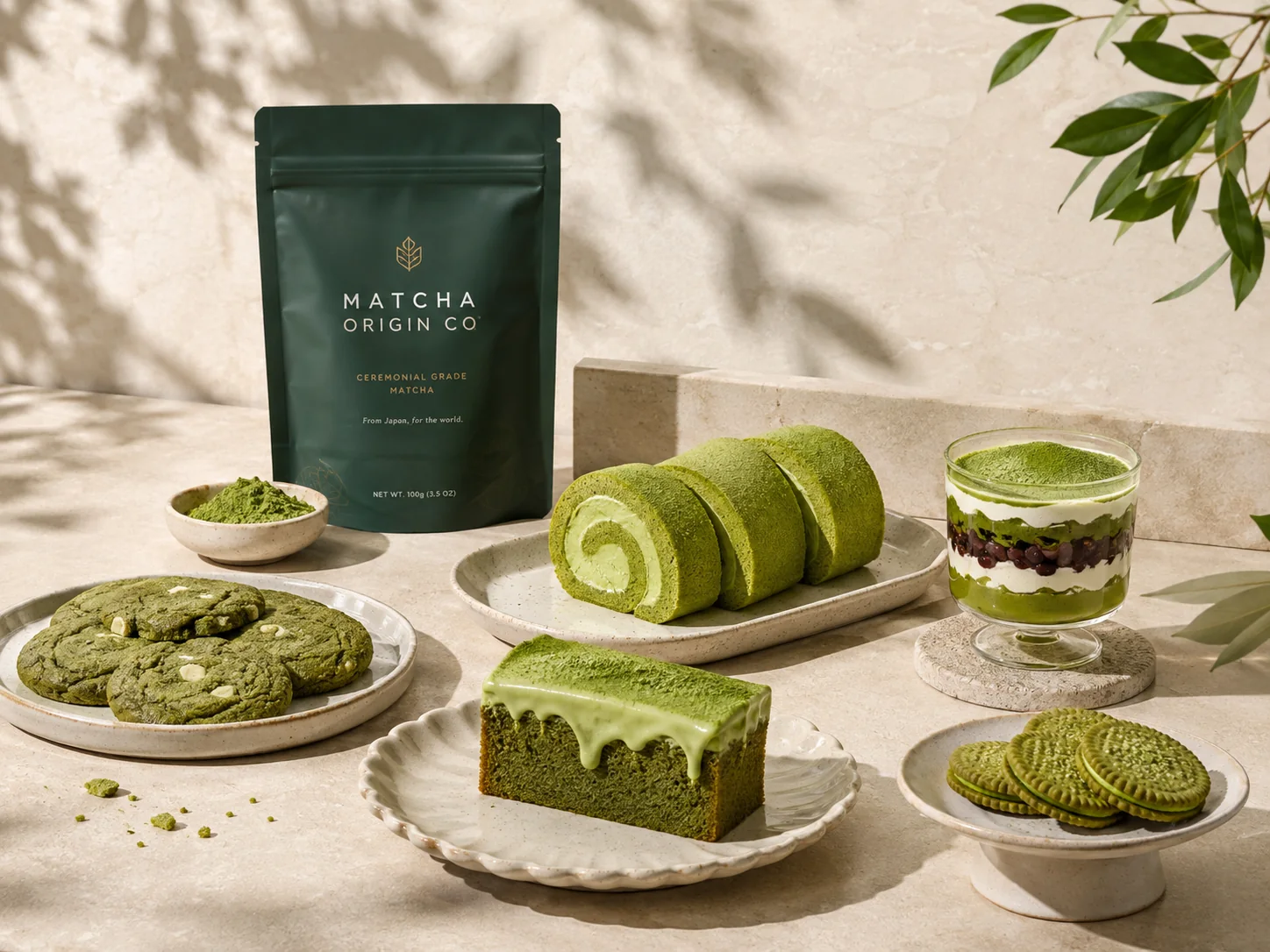
Evaluate the Result
Compare finished color, flavor, aroma, texture and cost-in-use.
B2B Supply Context
Commercial Supply for Bakeries & Food Brands
Commercial supply requirements depend on the selected matcha, packaging format and project scope. Review bulk matcha supply after the preferred sample profile has been identified.
Bakeries
Evaluate matcha for cakes, cookies, pastries and repeat bakery production.
Dessert Brands
Compare matcha powder for desserts across baked, chilled and cream-based formats.
Café Bakery Programs
Coordinate dessert performance with menu positioning and service requirements.
Food Manufacturers
Test formulation fit and processing performance before larger-scale purchasing.
Packaged Food Projects
Review product format, packaging requirements and repeat-order planning.
Commercial Planning
Align finished-product performance, cost-in-use and project scope.
Project-Specific Records
Quality & Documentation Support
Available documentation depends on the selected product, batch, supplier and test scope. Where applicable, support may include a manufacturer COA, batch information, selected third-party testing and organic documentation for applicable supply.
Buyer Questions
Matcha for Baking: Frequently Asked Questions
What matcha powder is suitable for baking?
Suitable matcha powder for baking depends on the recipe, dosage, sweetness, fat and dairy content, processing temperature, desired finished color and target flavor intensity. Commercial buyers should compare culinary matcha powder samples in the actual formulation and process rather than selecting from dry powder appearance or a supplier label alone.
Is culinary matcha different from ceremonial matcha?
Culinary matcha is commonly selected around performance with flour, sugar, dairy, fat and processing conditions. Ceremonial positioning is generally associated with drinking applications, but labels are not standardized across suppliers. For a commercial baking project, finished-product sample performance is more useful than relying on the grade name by itself.
How much matcha powder should be used in baking?
There is no universal dosage for every baking application. The suitable amount varies with the formulation, portion size, sweetness, fat content, desired color, flavor intensity and target product cost. Test a practical dosage range in the same recipe and process before setting a production specification.
Does matcha color change during baking?
Finished color can differ from dry powder color because heat, moisture, pH, fat, dairy, sugar and processing time all affect the final product. The extent varies by formulation and process, so buyers should evaluate each sample after mixing and again after baking, chilling or other relevant processing.
Can I request samples before ordering commercial quantities?
Yes. Testing samples in the real recipe is recommended before ordering commercial quantities. Share the application, formulation constraints, matcha dosage range, processing conditions, target finished color and expected volume so suitable customer-facing profiles can be shortlisted for consistent side-by-side evaluation.
Do you provide COAs or testing documentation?
Documentation availability depends on the selected product, batch, supplier and test scope. Where applicable, support may include a manufacturer COA, batch information, selected third-party testing or organic documentation for applicable supply. Confirm required documents during sample evaluation and commercial planning.
Ready to Evaluate?
Find the Right Matcha for Your Baking Project
Compare matcha in your real formulation and process before committing to commercial supply.